ChazzCreations Limited
© 1974-2026 ChazzCreations.com A Non~profit Organization. Over 50 years of Family Genealogy Research. Pictures may be used or copied with the hopes that it keeps the family history going to the next generation...
ChazzCreations
PO BOX 1909
POST FALLS, ID 83877
World War II
1939 to 1944

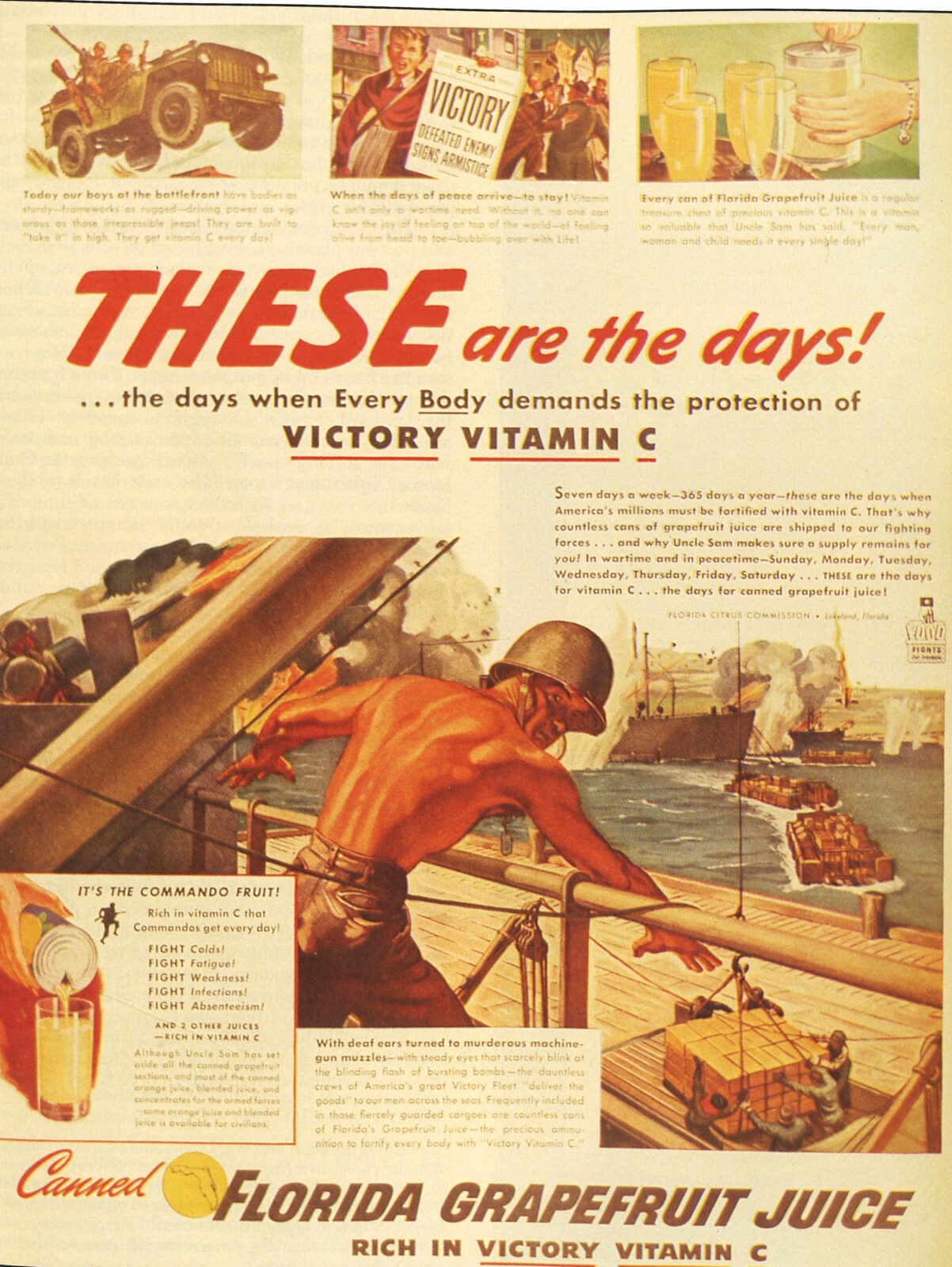
One of several posters contained in the papers of the State Defense Council of Florida, which helped organize communities across the state to meet the needs of the war effort during World War II 1942.
The United States’ entry into the Second World War touched off a transformative period in Florida’s history. Over a quarter million Floridians, including men and women of all races, joined the fight against the Axis Powers. Of these brave individuals, over 3,500 would give their lives in defense of their country. The state’s population increased by 46 percent in the 1940s, a change fueled by the arrival of former servicemen and their families who had visited Florida during the war and liked it so much they returned for good.
A fifth (51,467) of the Floridians who served in the military were African-Americans. Despite ongoing segregation throughout the state at this time, these individuals chose to serve their country, in part hoping that military service would help erase the inequities that separated them from their white counterparts. African-American community leaders promoted this strategy as a quest for a “double V” victory – victory over enemies abroad as well as segregation at home.
News of Japan’s surrender reached Florida just after 7:00 p.m. on August 14, 1945. Virtually the entire state erupted into a frenzy of celebration unlike anything in the history of Florida. Automobiles, horses, carts and vehicles of every description jammed the streets in informal parades, with drivers honking their horns and shouting. In Key West, 10 long horn blasts signaled the news to dwellers of the Florida Keys for miles around. At Port Everglades, all the ships in the harbor celebrated by sounding their mighty whistles at once in a deafening roar. The war was over. The thrill of victory was tempered somewhat by the sobering reality of its cost. Over 418,000 American citizens – soldiers and civilians – lost their lives as a result of World War II. Many more received injuries that affected them for the remainder of their lives. Official reports from 1946 list a total of 3,540 Floridian casualties in the Army and Army Air Forces and 2,314 total Floridian casualties among Navy, Coast Guard and Marine personnel. Finding suitable ways to honor the sacrifices of these Floridians became a critical component of the recovery process for communities across the state.
Submarines off the Florida Coast

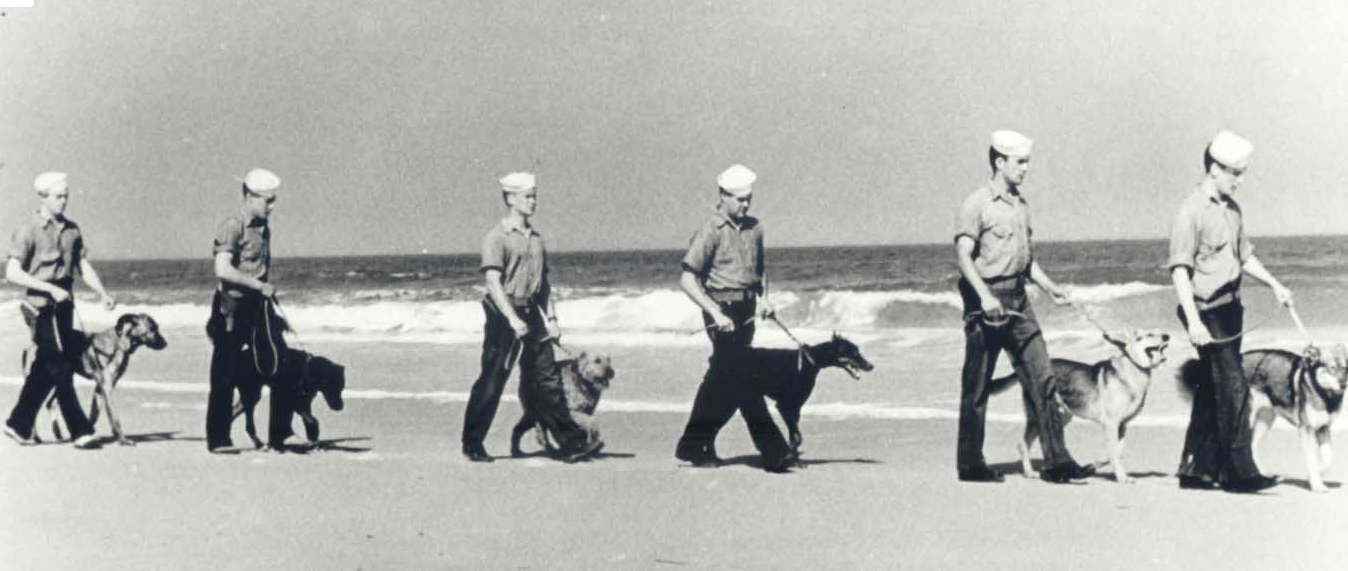
The state's vulnerability became evident shortly after Pearl Harbor. In early 1942, German submarines opened an offensive, code-named Operation Drumbeat, against the virtually undefended Allied shipping lanes along the east coast. Before the carnage was over, nearly 400 ships had been sunk and thousands of lives lost. Dozens of ships were torpedoed just off Florida's Atlantic coast, as were others in the Gulf of Mexico. German submarine captains used the light of coastal cities to silhouette their targets. Oil, debris, and dead bodies washed up on the beaches mixing, with the driftwood and seashells along Florida's once-pristine coasts. On the night of June 16, 1942, four saboteurs from a German submarine came ashore at Ponte Vedra Beach, just a few miles north of St. Augustine, carrying explosives and American money. Five days earlier, another submarine had put ashore four others on Long Island, NY. The German spies were captured before they could do any damage, but the entire Atlantic seaboard was alarmed. Below, guards walking the beaches.
Military Installations
Florida's weather conditions, flat land, and miles of accessible coastline made it ideal for the building of military training bases, especially for aviation and amphibious landing operations. By 1942, Florida had over 172 military installations, ranging from relatively small specialty camps to extremely large bases. Camp Blanding near Starke became Florida's fourth largest city, growing to 180,000 acres and housing 55,000 soldiers at a time. There were forty airfields actively training military personnel throughout the state. Likewise, Naval Stations and Airfields lined the coast from Pensacola in the panhandle to the newly built Mayport Naval Station near Jacksonville. Many of these sites are still active military installations today. Others have been transformed and are now the core of Florida’s State Park system.
Camp Blanding, where Ben Shaw was at, located southwest of Jacksonville in Clay County, started out as a summer training facility for the Florida National Guard. During the war, however, it became the state’s fourth largest city, housing 55,000 military personnel. It included 125 miles of paved roads as well as a hospital with 2,051 beds. When the camp was first proposed in 1939, the cost for constructing it was estimated to be $700,000. With wartime expansions, the complex ultimately cost $60 million, as military authorities converted it into one of the largest training bases in the Southeast.

Soldiers at Camp Blanding 1941

Aerial view of Camp Blanding 1942

Jiu Jitsu at the Naval Air Technical Training Center (NATTC) in Jacksonville, Florida 1940s
Meanwhile, a unique form of training was underway on Florida’s Gulf coast near Carrabelle. The Army and Navy had been looking for suitable sites for training personnel for amphibious invasions, and this stretch of coastline appeared to fit the bill. Once the site was selected, the federal government quickly bought up 10,000 acres and leased an additional 155,000 acres of land, forming a base with nearly twenty miles of Gulf coast frontage between St. George Island and Alligator Point, including Dog Island and the beaches near Carrabelle. The new installation was named for Gordon Johnston, an Alabama native who served in the Spanish-American War and World War I and received the Medal of Honor in 1910. Thousands of servicemen trained at Camp Gordon Johnston, many of whom were involved in the amphibious “D-Day” invasion of Normandy in 1944.

Training for amphibious warfare at Camp Gordon Johnston 1943
Governor Caldwell on a visit to Camp Gordon Johnston on February 1, 1945 - Carrabelle

Woman welding for the Saint Johns River Shipbuilding Company in Jacksonville
Images from Florida Memory

Idaho ~ Post Falls Evergreen Cemetery 2013
Robert Eugene Brewer Jr., from Sedgwick county, Kansas, enlistied at the age of 21 on 03/17/1944, at Fort Leavenworth, Kansas. 
1944 Robert Eugene Brewer right: CSWaters-Mixon

1944 Robert Eugene Brewer right: CSWaters-Mixon
Robert E Brewer Jr: Army service number 37737145 was a private in the Selectees during World War II,. Skilled Mechanics and Repairmen, N.E.C Duration of War, Plus 6 Mos. Group Regiment Commands System, Parachute Inf, European Theatre France.


Darwin Kwellicki Waters

Julian Lamar Fugate

Frazier Phillips

Ben Thomas Shaw enlisted 02/13/1943, into the Army as a Private, ststioned at Camp Blanding, FL: Coast Artillery Corps - Army Mine Planter Service #34543487

Buck Shaw & Ben Shaw CSWaters-Mixon


Ben Shaw at the farm house, 1943


Camp Blanding


Brochure describing the Victory Farm Volunteers program, a subsidiary program of the U.S. Crop Corps. The brochure called on American boys and girls to work on farms to help support the effort to produce the necessary amount of food for the war effort. Victory Farm Volunteers were paid wages, although they were responsible for their own living expenses unless they were covered by the farmer for whom they were working.
Knit For Brit: World War II
Eva Shaw & Conye Shaw made sweaters for the war effort. Americans had already been knitting and preparing care packages of food and clothes called “Bundles for Britain” to help besieged Londoners.
Life Magazine 1941 
Eva & Conye worked in the commissary on the base.

Aerial view of NAS Jacksonville, 1940's
ChazzCreations
PO BOX 1909
POST FALLS, ID 83877